


Sensory processing in autism sometimes helps explain why certain sounds, lights, textures, or environments feel overwhelming to a child. Understanding sensory sensitivities can help parents recognize these responses and identify…
Sensory processing in autism sometimes helps explain why certain sounds, lights, textures, or environments feel overwhelming to a child. Understanding sensory sensitivities can help parents recognize these responses and identify…

Curiosity, energy, and impulsivity are common and a natural part of normal development, as young children are still learning to pause before they act. Running toward something exciting, interrupting, or…

A small change can feel enormous to a child who depends on routine to feel secure. A different route to school, an unexpected appointment, or a shifted bedtime may trigger…

Many parents have experienced the frustration of giving a child a seemingly simple series of instructions, only to find that the last step (or multiple steps) is forgotten or skipped…

Communication relies on more than spoken words. For many children, early signs of autism spectrum disorder (ASD) may appear in the way they use eye contact, gestures, facial expressions, and…

Some children seem to move nonstop, racing from one activity to the next with boundless energy. For parents, distinguishing a high-energy temperament from the “driven by a motor” restlessness associated…
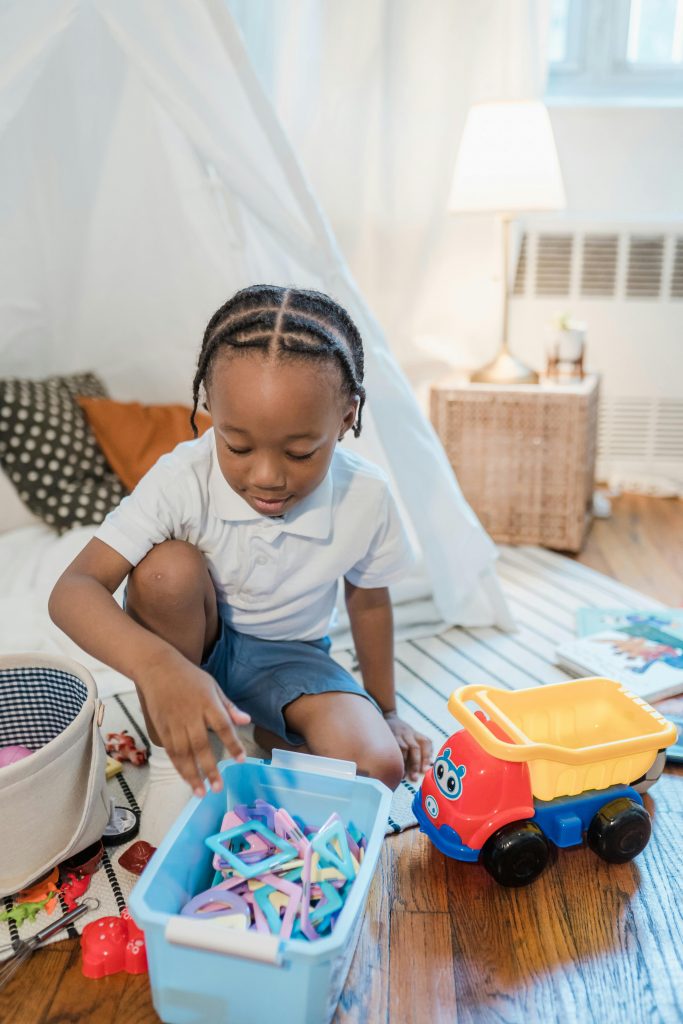
Play is an essential part of learning communication, turn-taking, and shared attention. While some children naturally enjoy playing alone, others may avoid or struggle with social play for reasons that…

© 2026 ICG. Design by Expose Your Brand