
Communication relies on more than spoken words. For many children, early signs of autism spectrum disorder (ASD) may appear in the way they use eye contact, gestures, facial expressions, and body language to connect with others. These subtle nonverbal cues can offer important insight into a child’s social and communication development. Understanding what common nonverbal autism signs look like and when certain behaviors could signal a need for further evaluation can help parents and caregivers recognize concerns early and seek appropriate support.
What Is Nonverbal Communication?
Nonverbal communication is the exchange of information without spoken words. It includes eye contact, facial expressions, gestures, body language, and other social cues that help people connect and understand one another. Eye contact, for example, often initiates shared attention and can signal interest in a person or activity.
In children with ASD, differences in nonverbal communication may be among the earliest signs noticed by caregivers. A child may make limited eye contact, use few gestures, or have difficulty interpreting the nonverbal cues of others.
Gestures in Action
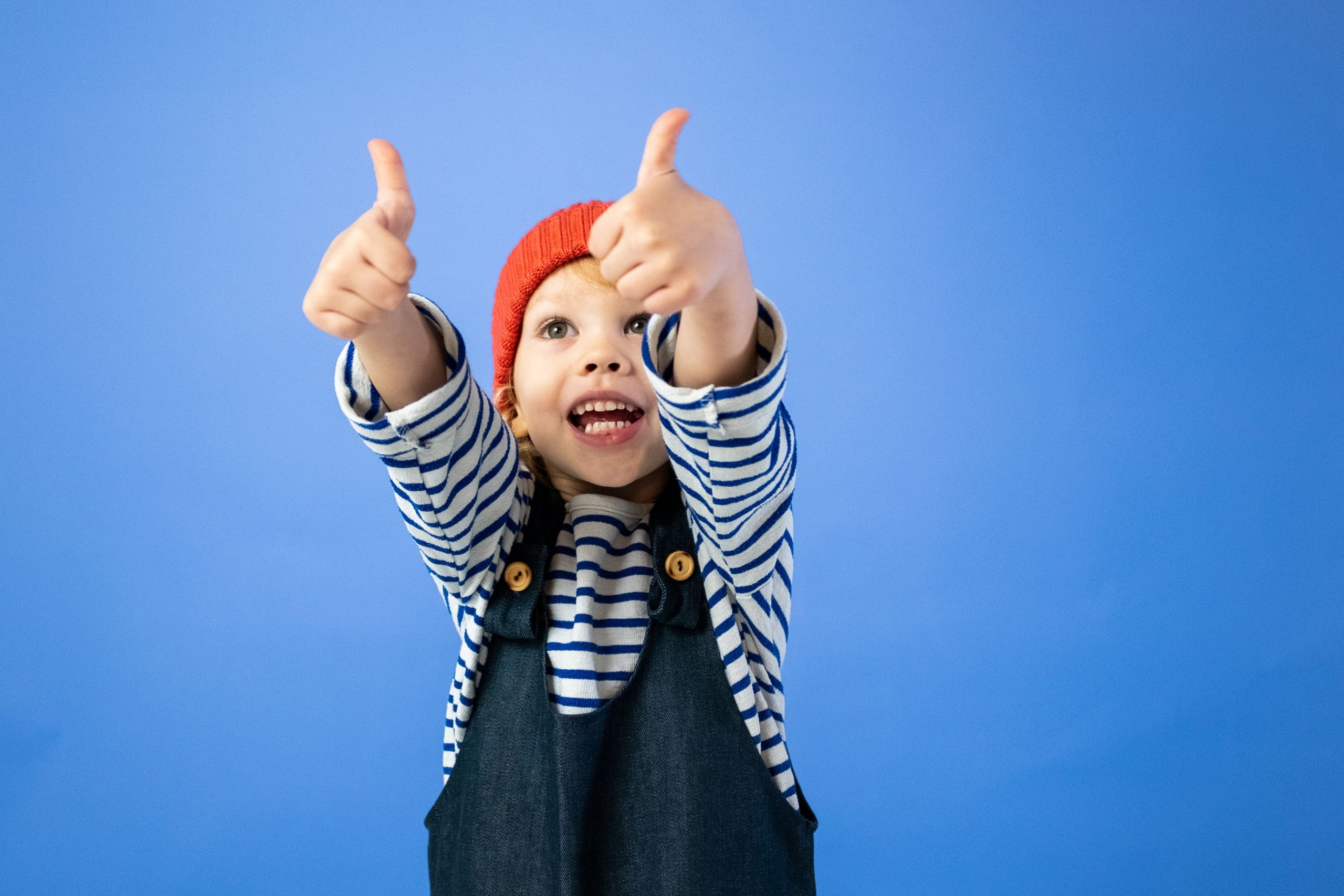
A type of nonverbal communication, gestures help give meaning to words and play an important role in social communication. Pointing, waving, reaching, nodding, and showing objects can help a child share interests, make requests, and gain another person’s attention before they are able to fully express themselves with language. These actions support joint attention, a foundational social skill that allows children to connect with others.
In children with autism spectrum disorder, gestures may be used less often or differently. For example, a child with ASD may rarely point to share interest, wave goodbye, or generally use gestures to support communication and social interaction.
The Role of Body Language
Body language refers to the nonverbal signals we use to communicate thoughts, feelings, and intentions. Facial expressions, tone of voice, posture, and even the way we move can provide important clues about our emotions and reactions. A smile could convey happiness, while a slumped posture can suggest disappointment or fatigue. Even more complex are microexpressions. For example, a smile on the mouth that doesn’t reach the eyes could suggest false happiness. As social skills develop, children learn to interpret these cues, including the subtle ones.
For children with ASD, understanding or using body language may be more challenging. They may have difficulty recognizing emotions in others’ facial expressions or displaying nonverbal cues in expected ways.
Developmental Red Flags: Nonverbal Autism Signs
Nonverbal signs of autism spectrum disorder can appear during different stages of development. While every child develops at their own pace, certain behaviors may warrant further evaluation.
Infants (Birth to 12 Months)
Limited vocal play (babbling or cooing), limited eye contact, infrequent social smiling, reduced interest in faces, and a lack of response to their name by around nine to 12 months may be early concerns. Some infants may fail to startle to loud sounds or struggle to calm with the sound of your voice. Some infants may also show little interest in shared interactions, like peekaboo games.
Toddlers (One to Three Years)
A toddler with autism spectrum disorder may be slow to develop language skills. They may not imitate sounds or copy words, have any meaningful single words by 16 months, or use two-word combinations by 24 months.
They may rarely point to objects, wave goodbye, or use other gestures to communicate. They may not bring toys or objects to show caregivers, have difficulty engaging in joint attention, share and take turns minimally, or appear unaware when others try to gain their attention.
School-Aged Children (Four Years and Older)
Speech may be difficult for others to understand, and sentences remain short with limited storytelling or question-asking. They may struggle to play with their peers.
Older children may struggle to interpret facial expressions, body language, or social cues. They may use limited eye contact during conversations, have difficulty understanding others’ emotions, or appear disconnected from group interactions despite having age-appropriate language skills.
When to See a Specialist About Nonverbal Autism Signs
If you have any concerns about your child’s developmental progress, we recommend seeing your pediatrician, discussing your concerns, and requesting an evaluation for your child. To learn more about nonverbal communication in children with ASD, we welcome you to contact ICG to learn about the support services we can provide.